
1047 0 comments
Latest



Natural Cork Coaster - 25pcs
₹999.00







Round Borosilicate Glass Teapot with SS Infuser - 550ml
₹1,399.00 ₹1,599.00
Nutrition & Diabetes Management
Is Raw Honey Safe for Diabetic Patients? An Evidence-Based Indian Diet Guide
By Health Is Wealth Editorial Team · Updated August 2026
Diabetes affects over 100 million people in India, making everyday food choices a persistent concern for millions of households. One question comes up repeatedly among health-conscious Indians managing the condition: is raw honey a safe substitute for sugar? While honey is natural and carries genuine nutritional advantages, it remains, fundamentally, a form of sugar — and the distinction matters for anyone managing blood glucose.
This guide examines how raw honey affects blood sugar, how it compares to refined sugar, what a safe quantity looks like, and what both modern research and Ayurvedic tradition have to say on the subject.
Key Takeaways: Raw Honey & Blood Sugar
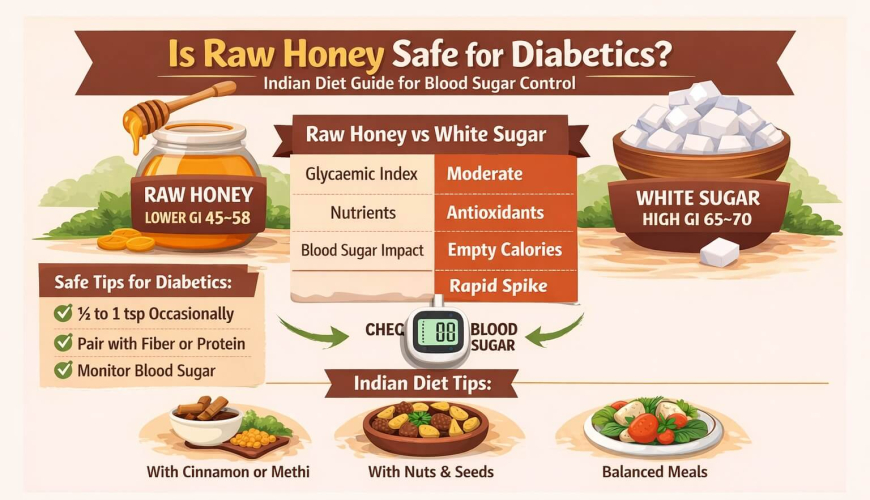
- Lower Glycaemic Index: Raw honey carries an approximate GI of 45–58 (compared to ~68 for white sugar), producing a slower glucose rise.
- Still a Carbohydrate: Raw honey is composed primarily of fructose and glucose; it raises blood sugar and must be counted within daily carbohydrate limits.
- Safe Portioning: Generally limited to ½ to 1 teaspoon occasionally, ideally paired with fiber, healthy fats, or protein.
- Ayurvedic Caution: Classical Ayurveda strictly advises against heating honey or adding it to boiling beverages.
The Honey-and-Diabetes Question in India
Honey has been used in Indian households for generations, valued both as a natural sweetener and as a traditional remedy. Ayurveda and contemporary wellness practice alike credit raw honey with antioxidant and enzymatic properties that refined sugar simply doesn't offer. Even so, diabetes management depends heavily on portion and context — even naturally derived foods can raise blood sugar sharply if consumed without awareness of quantity and timing.
This article aims to give a clear, evidence-based answer: whether raw honey can be included safely in a diabetic diet, how much is reasonable, and what precautions genuinely matter.
What Is Raw Honey?
Raw honey is honey in its pure, unprocessed state — unlike commercial honey, it isn't pasteurized or heavily ultra-filtered, which allows it to retain natural enzymes, pollen, antioxidants, vitamins, and minerals.
Key Characteristics:
- Composed primarily of natural fructose and glucose.
- Carries a comparatively lower glycaemic load than refined table sugar.
- Rich in bioactive flavonoids, phenolic acids, and trace antibacterial compounds.
- Commonly sourced from forest, wild, or organic apiaries across India — pure, single-origin raw honey varieties tend to retain the highest concentration of these natural properties.
Despite these advantages, raw honey is still a form of sugar, which is why its use requires the same discipline diabetics apply to any other carbohydrate-containing food.
Understanding Diabetes and Sugar Intake
Type 2 diabetes is widespread in India, driven by a combination of genetic predisposition, sedentary lifestyle, and carbohydrate-heavy diets. Blood glucose control ultimately depends on three variables: the type and quantity of carbohydrate consumed, the glycaemic index of the food in question, and the individual's insulin sensitivity.
Any food capable of raising blood sugar rapidly can undermine glycaemic control — which is precisely why understanding honey's effect on glucose matters. For a deeper look at how carbohydrates more broadly influence blood sugar, see our detailed breakdown of the truth about carbs and diabetes.
Glycaemic Index of Raw Honey
The Glycaemic Index (GI) measures how quickly a carbohydrate-containing food raises circulating blood glucose.
| Sweetener Type | Approximate Glycaemic Index (GI) | Metabolic Response |
|---|---|---|
| Table Sugar (Sucrose) | ~65 | Rapid systemic absorption |
| White Refined Sugar | ~68–70 | Sharp, immediate post-meal glucose spike |
| Raw Pure Honey | ~45–58 (varies by floral origin) | Slower, more gradual insulin response |
Raw honey's lower GI is largely attributable to its naturally higher fructose-to-glucose ratio. Fructose is metabolized primarily by the liver rather than triggering an immediate insulin surge, producing a comparatively gentler rise in blood sugar. However, a lower GI does not mean zero impact — portion size remains the ultimate deciding factor.
Is Raw Honey Safe for Diabetics?
Short answer: yes, but only with strict portion control and monitoring.
Raw honey can be a nutritionally superior alternative to refined white sugar, but it is not calorie-free or sugar-free, and it should never be consumed without clinical awareness.
Raw honey may be reasonably considered when:
- Type 2 diabetes is well-managed and stable.
- Blood sugar spikes and crashes are infrequent.
- The individual maintains an active physical lifestyle.
- It is used strictly as a replacement for refined sweeteners.
Raw honey should generally be avoided when:
- Diabetes is currently uncontrolled or erratic.
- The individual is managing Type 1 diabetes (requires medical clearance).
- Gestational diabetes is present.
- Fasting blood glucose and HbA1c levels are significantly elevated.
Raw Honey vs. White Sugar: A Direct Comparison
| Comparison Factor | Raw Honey | White Refined Sugar |
|---|---|---|
| Glycaemic Index | Moderate (~45–58) | High (~68–70) |
| Nutrient Density | Contains flavonoids, enzymes & minerals | 100% empty calories |
| Processing Level | Unpasteurized & minimally filtered | Chemically bleached & heavily refined |
| Glycaemic Spike | Gradual, slower curve | Immediate, steep blood glucose spike |
Benefits of Raw Honey for Diabetics, When Used Correctly
- A Better Alternative Sweetener: Replacing refined sugar with measured amounts of raw honey helps prevent sharp postprandial glucose swings.
- Antioxidant Defense: Raw honey provides pinocembrin, chrysin, and phenolic acids that counter oxidative stress, a key driver of diabetic vascular complications.
- Prebiotic Gut Support: Contains natural oligosaccharides that nourish beneficial gut microflora, indirectly supporting metabolic stability.
- Immune Support: Natural antibacterial properties aid in general wellness, especially relevant given that diabetic individuals have a higher susceptibility to seasonal infections.
How Much Raw Honey Can a Diabetic Safely Consume?
Recommended quantity: ½ to 1 teaspoon per day, not necessarily every day, and ideally paired with fiber, healthy fats, or protein rather than consumed isolated on an empty stomach. Measuring with a dedicated wooden honey dipper prevents accidental overconsumption.
Practical Ways to Include Raw Honey in an Indian Diet
- Honey with Ceylon Cinnamon: Cinnamon supports cellular insulin sensitivity and helps blunt glycemic fluctuations when paired with a few drops of raw honey.
- Honey with Soaked Almonds or Walnuts: Pairing raw honey with nuts introduces healthy fats and plant protein, significantly slowing carbohydrate absorption.
- Honey in Lukewarm Herbal Tea: Avoid stirring honey into boiling water. Allow freshly steeped loose-leaf green tea or adaptogenic herbal infusions to cool to a warm, drinkable temperature before adding a few drops.
Raw Honey in Ayurveda (*Madhu*)
Classical Ayurvedic texts (*Charaka Samhita*) revere honey (*Madhu*) as a unique natural substance with scraping (*Lekhana*) and bio-enhancing (*Yogavahi*) properties. However, Ayurveda cautions strictly against its improper use: honey must never be heated or cooked, as thermal exposure alters its molecular structure (referred to traditionally as *Ama*). This ancient principle aligns directly with modern biochemical knowledge showing that boiling water denatures honey's delicate enzymes and beneficial phytonutrients. This rule is followed in authentic preparations such as Kashmiri Kahwa in Ayurveda, where honey is added only after the tea has cooled.
Practical Precautions
- Test fasting and 2-hour post-meal blood sugar levels when introducing raw honey.
- Avoid adding honey to meals already high in refined carbohydrates.
- Combine smart nutrition with consistent physical activity — learn more about safe workouts in our guide on how exercise affects blood sugar in diabetes.
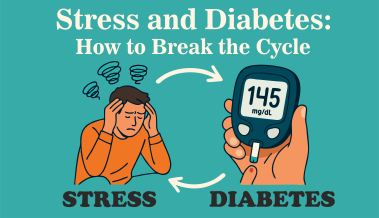
- Address chronic stress, which directly spikes cortisol and glucose; see our breakdown of how stress affects blood sugar control.
Single-Origin Raw Honey Pure, unheated forest honey retaining natural active enzymes. Loose Green Tea Leaf Antioxidant-rich unoxidized leaves for daily metabolic support. SS Handle Tea Infuser Fine-mesh infuser for preparing sediment-free botanical teas. Blood Sugar Wellness Curated wellness teas and tools for a diabetes-friendly lifestyle.
Final Verdict
Raw honey is not a cure for diabetes, but when used carefully, it can serve as a healthier, nutrient-dense alternative to refined white sugar. For individuals with stable, well-controlled blood sugar, small quantities of pure, single-origin raw honey may be included occasionally under professional guidance.
Bottom Line:
Raw honey is safer than refined white sugar, but it is never carbohydrate-free. Treat it as a functional whole food rather than an unrestricted sweetener, and let regular blood glucose monitoring guide your choices.
Frequently Asked Questions
About This Article & Editorial Standards
Published By: Health Is Wealth Editorial Team · Last Updated: August 2026
Editorial Approach: We provide evidence-based nutritional insights alongside classical Ayurvedic wisdom. Raw honey is presented as a whole-food alternative to refined sugar, never as a cure or standalone treatment for diabetes.
Scientific References & Clinical Sources
1. Meo, S. A., et al. (2017). Role of Honey in Modern Medicine: Effects on Glycemic Control and Lipid Profile. Complementary Therapies in Medicine, 33, 85–93. [PubMed]
2. Abdulrhman, M., et al. (2013). Metabolic Effects of Honey in Type 1 Diabetes Mellitus: A Randomized Crossover Pilot Study. Journal of Medicinal Food, 16(1), 66–72. [PubMed]
3. Erejuwa, O. O., et al. (2012). Honey: A Novel Antidiabetic Agent? International Journal of Biological Sciences, 8(6), 913–934. [PubMed]
Tags:raw honey for diabeticsdiabetes and honeyraw honey glycemic indexis honey safe for diabeteshoney vs sugar diabetesindian diabetic dietraw honey benefitsmadhu in ayurvedanatural sugar alternativesblood sugar managementdiabetes diet tipspure raw honey



Related Products



Sale
New


Write a comment