
Food & Nutrition (2) Managing Diabetes (7)
- Diet & Nutrition (5)
- Lifestyle & Fitness (2)
Healthy Beverages (8) Stress Management & Self-Care (2) 1447 0 comments
Latest



Natural Cork Coaster - 25pcs
₹999.00







Round Borosilicate Glass Teapot with SS Infuser - 550ml
₹1,399.00 ₹1,599.00
Mental Wellness & Metabolic Health
Stress and Diabetes: How to Break the Hyperglycemia Cycle
By Health Is Wealth Editorial Team · Updated August 2026
Key Takeaways: The Stress-Glucose Connection
- The Biological Link: Chronic stress activates the HPA axis, elevating cortisol and adrenaline that prompt the liver to release stored glucose while temporarily impairing peripheral insulin sensitivity.
- The Danger: Unchecked stress leads to sustained hyperglycemia, exaggerated dawn phenomenon spikes, and metabolic fatigue.
- The Solution: Daily parasympathetic activation (diaphragmatic breathing, restorative yoga, consistent routines, and magnesium-rich nutrition) directly moderates stress hormones and stabilizes glycemic swings.
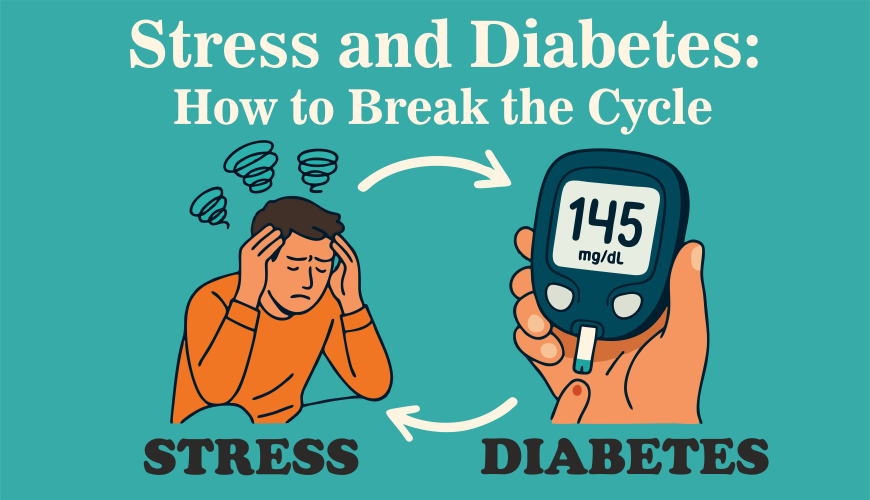
Living with diabetes requires constant vigilance. When chronic mental or physical stress enters the equation, it triggers a self-reinforcing biological loop: stress spikes blood glucose, erratic glucose causes physical distress, and the resulting anxiety deepens the cycle.
Understanding the physiological connection between stress hormones and insulin resistance is the foundational step toward breaking this pattern and reclaiming metabolic control.
The Physiology: How Stress Spikes Blood Glucose
When you perceive a threat—whether daily work pressure, illness, or emotional tension—your hypothalamic-pituitary-adrenal (HPA) axis initiates the survival "fight-or-flight" response:
- Elevated Cortisol Levels: Cortisol stimulates hepatic gluconeogenesis (glucose synthesis in the liver) while simultaneously suppressing peripheral glucose uptake in skeletal muscle tissues (Joseph & Golden, 2017)[5].
- Adrenaline Surge: Epinephrine rapidly mobilizes liver and muscle glycogen reserves into readily available circulating blood sugar for immediate physical action.
- Impaired Insulin Sensitivity: Sustained stress elevates systemic inflammatory cytokines, blunting insulin receptor signaling pathways and driving prolonged metabolic resistance (Lloyd et al., 2005)[6].
The Stress-Hyperglycemia Cycle
Chronic Stress ➔ Cortisol & Adrenaline Surge ➔ Liver Dumps Stored Glucose ➔ Sustained Hyperglycemia
Recognizing the Signs of Stress in People With Diabetes
Stress impacts the body both biochemically and behaviorally. Watch for these recurring indicators:
- Unexplained Glucose Spikes: High readings that occur independently of carbohydrate intake or missed medications.
- Exaggerated Dawn Phenomenon: Noticeably high morning fasting blood sugar driven by nocturnal cortisol surges.
- Cognitive and Mood Instability: Brain fog, sudden irritability, and mental exhaustion that derail meal planning or dosage tracking.
- Physical Strain: Muscle tightness, tension headaches, disrupted sleep architecture, or shallow breathing patterns.
5 Clinically Supported Strategies to Break the Cycle
1. Integrate Mind-Body Practices
Mind-body interventions calm the central nervous system, helping down-regulate cortisol output and restore cellular insulin sensitivity:
- Meditation & Deep Breathing: Clinical studies demonstrate that structured mindfulness-based stress reduction lowers cortisol levels and significantly improves insulin sensitivity (Rosenzweig et al., 2007)[7].
- Restorative Yoga: Regular practice supports glycemic control through combined autonomic regulation and physical mobilization (Innes et al., 2005)[4]. Using supportive equipment such as a cork yoga brick allows beginners and seniors to maintain restorative poses comfortably without straining joints.
2. Build a Healthy, Predictable Routine
Erratic daily timing creates low-grade biological stress on your endocrine system:
- Maintain consistent daily meal, sleep, and medication schedules.
- Target 7–9 hours of sleep per night to allow cellular insulin sensitivity to recover naturally.
- Limit blue light screen exposure at least 60 minutes before bedtime to support melatonin release.
3. Eat to Regulate Mood and Blood Sugar
Nutrient timing and quality directly influence both stress resilience and glucose stability:
- Magnesium & Omega-3s: Leafy greens, pumpkin seeds, and flaxseed help modulate inflammatory pathways and support healthy nerve signaling.
- Low-Glycemic Diet Integration: Incorporating nutrient-dense options prevents sharp post-meal volatility — see our breakdown of the truth about carbs and diabetes.
- Calming Beverage Swaps: Replace high-caffeine drinks and sugary snacks with antioxidant-rich infusions. Sipping unsweetened loose green tea leaves or traditional blends like Kashmiri Kahwa in Ayurveda delivers naturally occurring L-theanine to promote calm clarity without spiking glucose.
4. Engage in Regular, Low-Impact Physical Activity
Moderate movement acts as a natural glucose disposal pathway without overtaxing the adrenal glands:
- Aim for 150 minutes per week of moderate aerobic activity, as recommended by the American Diabetes Association and ACSM joint position guidelines (Colberg et al., 2016)[1].
- A 15-minute walk immediately following meals utilizes muscle contraction to clear glucose from the bloodstream without placing heavy demands on insulin.
- Learn the physiological mechanics in our detailed breakdown of how exercise affects blood sugar in diabetes.
5. Strengthen Your Support System & Daily Rituals
Emotional well-being and daily mindfulness habits protect against metabolic burnout:
- Combat Diabetes Distress: Research highlights that up to 40% of adults with Type 2 diabetes experience high diabetes-specific emotional distress (Fisher et al., 2008)[2], which closely correlates with treatment nonadherence and poorer glycemic management (Gonzalez et al., 2008)[3]. Joining peer support communities or seeking specialized counseling builds lasting coping strategies.
- Morning Hydration Rituals: Dehydration compounds elevated cortisol. Starting your morning with water from a traditional pure copper water bottle establishes an intentional, mindful hydration habit to start the day.
Collaborating With Your Healthcare Team
Diabetes care must address both physiological and psychological wellness. Consult your healthcare team if:
- Fasting or post-meal glucose readings stay consistently out of target range despite consistent meals.
- Stress causes missed doses, irregular medication schedules, or disordered eating.
- You experience signs of diabetes burnout, chronic insomnia, or persistent anxiety.
Ashwagandha Cut Tea Pure adaptogenic root cut for evening stress relief and restorative sleep. Cork Yoga Brick Eco-friendly supportive prop for gentle restorative poses and stretching. Pure Copper Bottle Ayurvedic hydration vessel to encourage mindful daily fluid intake. Blood Sugar Wellness Curated wellness teas and tools to complement metabolic balance.
Frequently Asked Questions
About This Article & Editorial Standards
Published By: Health Is Wealth Editorial Team · Last Updated: August 2026
Editorial Approach: We explore the relationship between psychological stress and endocrinological health using peer-reviewed medical research. Lifestyle practices and wellness tools are presented as supportive habits, not as substitutes for clinical diabetes care.
Scientific References & Clinical Sources
1. Colberg, S. R., et al. (2016). Physical Activity/Exercise and Diabetes: A Position Statement of the American Diabetes Association. Diabetes Care, 39(11), 2065–2079. [DOI: 10.2337/dc16-1728]
2. Fisher, L., Glasgow, R. E., & Strycker, L. A. (2008). High Levels of Diabetes-Specific Distress in Adults with Type 2 Diabetes: Prevalence and Characteristics. Diabetes Care, 31(11), 2137–2142. [DOI: 10.2337/dc08-1111]
3. Gonzalez, J. S., et al. (2008). Depression and Diabetes Treatment Nonadherence: A Meta-Analysis. Diabetes Care, 31(12), 2398–2403. [DOI: 10.2337/dc08-1341]
4. Innes, K. E., Bourguignon, C., & Taylor, A. G. (2005). Risk Indices Associated with the Insulin Resistance Syndrome, Cardiovascular Disease, and Possible Protection with Yoga: A Systematic Review. The Journal of the American Board of Family Practice, 18(6), 491–519. [DOI: 10.3122/jabfm.18.6.491]
5. Joseph, J. J., & Golden, S. H. (2017). Cortisol Dysregulation: The Bidirectional Link Between Stress, Depression, and Type 2 Diabetes Mellitus. Annals of the New York Academy of Sciences, 1391(1), 20–34. [DOI: 10.1111/nyas.13217]
6. Lloyd, C., Smith, J., & Weinger, K. (2005). Stress and Diabetes: A Review of the Links. Diabetes Spectrum, 18(2), 121–127. [DOI: 10.2337/diaspect.18.2.121]
7. Rosenzweig, S., et al. (2007). Mindfulness-Based Stress Reduction Lowers Psychological Distress in Medical Students. Teaching and Learning in Medicine, 15(2), 88–92. [DOI: 10.1207/S15328015TLM1502_03]
Medical Disclaimer: The information provided in this article is for educational and informational purposes only and is not intended as medical advice. Always consult your physician, endocrinologist, or qualified healthcare professional before making any changes to your diabetes management routine, medications, or lifestyle plan.
Tags:stress and diabetesdiabetes managementblood sugar controldiabetes lifestylemanaging stresscortisol and blood sugarmental health and diabetesnatural diabetes remediesdiabetes care tipsbreak the stress-diabetes cycle







Write a comment