
1292 0 comments
Latest



Natural Cork Coaster - 25pcs
₹999.00






Round Borosilicate Glass Teapot with SS Infuser - 550ml
₹1,399.00 ₹1,599.00
Diet, Nutrition & Diabetes Management
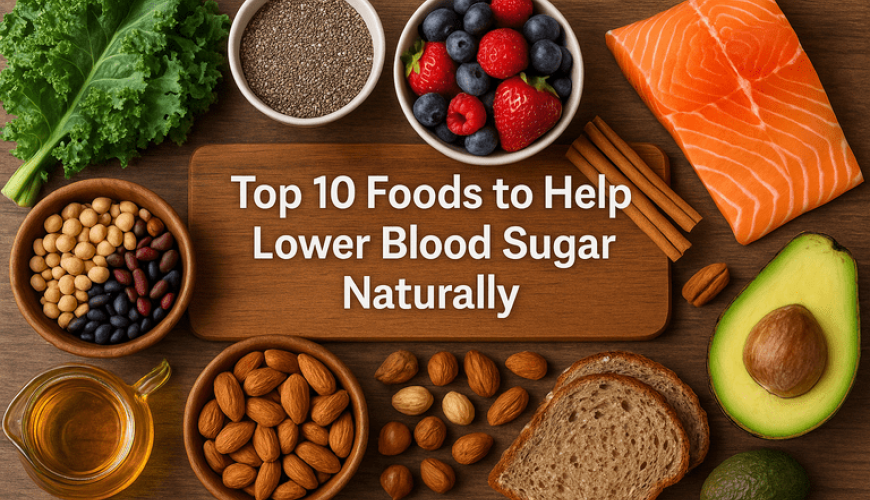
10 Foods That May Help Manage Blood Sugar Naturally
By Sunil Pal · Health Is Wealth · Updated September 2026
Managing blood sugar is an essential component of diabetes care, but there is no single food that can cure diabetes or replace prescribed clinical treatment.
A diabetes-friendly eating pattern emphasizes non-starchy vegetables, quality carbohydrates, lean or plant-based protein, healthy fats, adequate dietary fiber, minimal added sugars, and fewer highly processed foods. Portion sizing and overall plate composition remain the primary drivers of postprandial glucose stability.
Quick Answer: What Foods Help Manage Blood Sugar?
No single food can cure diabetes or instantly normalize blood sugar. However, soluble-fiber foods such as methi, chia seeds, and legumes; non-starchy vegetables such as spinach and karela; and minimally processed whole carbohydrates such as Indian millets help produce a more gradual glycemic curve when incorporated into balanced meals.
- Dietary foundation: Vegetables, legumes, nuts, and whole grains blunt post-meal glucose absorption.
- Investigated botanicals: Fenugreek, bitter melon, cinnamon, and vinegar have shown metabolic properties in trials, though evidence varies.
- Medical reality: Dietary additions support healthy habits but must never replace insulin or oral hypoglycemic medications.
Can Food Really Help Manage Blood Sugar?
Yes—but the operative word is “manage.” Food is a foundational pillar of diabetes care, but individual whole foods should not be viewed as pharmacological agents. The American Diabetes Association (ADA) emphasizes structured, balanced meal planning rather than chasing individual "superfoods."
The Diabetes Plate Method (Adapted for Indian Meals)
Using an approximate 9-inch plate, structure your main meals with these ratios:
- ½ Plate Non-Starchy Vegetables: Spinach (palak), fenugreek greens (methi), bitter gourd (karela), bottle gourd (lauki), ridge gourd (tori), bhindi, cabbage, cauliflower, or capsicum.
- ¼ Plate Protein: Lentils (dal), chickpeas (chana), rajma, paneer, tofu, eggs, or fish.
- ¼ Plate Quality Carbohydrates: Millets (jowar, bajra, ragi), barley, whole-wheat roti, oats, or portion-controlled brown rice. For broader context on carbohydrates, read our complete guide on the truth about carbs and diabetes.
10 Foods to Include in a Blood-Sugar-Conscious Diet
1. Methi (Fenugreek) & Leafy Green Vegetables
If you are looking for an Indian botanical with long-standing traditional and clinical relevance, methi belongs at the top of the list. Fenugreek seeds and fresh leaves are rich in soluble galactomannan fiber, which increases digestive viscosity and delays glucose absorption in the intestinal tract. It also contains 4-hydroxyisoleucine, an amino acid investigated for supporting glucose-stimulated insulin release. A 2023 systematic review of 14 trials reported statistically significant reductions in HbA1c with fenugreek supplementation, though researchers emphasized substantial study heterogeneity[3].
2. Chia Seeds & Whole Seeds
Chia seeds contain remarkable amounts of mucilage soluble fiber. When exposed to liquid, they form a thick, gelatinous matrix that physically slows the breakdown of starches into free glucose. Flaxseeds, pumpkin seeds, and sunflower seeds provide similar benefits alongside magnesium and ALA omega-3 fatty acids.
3. Karela (Bitter Melon / Gourd)
Bitter gourd (Momordica charantia) contains bioactive compounds such as charantin, vicine, and polypeptide-p that have been studied for insulin-mimetic mechanisms. While earlier trials showed mixed outcomes[5], a comprehensive 2025 meta-analysis of 25 randomized trials found meaningful reductions in fasting plasma glucose, HbA1c, and insulin resistance (HOMA-IR) with bitter melon preparations[6]. Enjoy it as home-cooked sabzi rather than excessive unpasteurized juices.
4. Berries & Whole Low-Glycemic Fruits
Having diabetes does not mean eliminating fruit. Whole fruits like berries, guava, apples, oranges, and pears provide pectin fiber and polyphenols that mitigate glycemic surges. Whole fruit retains its cellular structure, delivering far superior glycemic stability compared to strained fruit juices.
5. Cinnamon (Dalchini)
Cinnamon contains polyphenolic polymers investigated for enhancing insulin receptor autophosphorylation. While clinical trials show mixed effects on long-term HbA1c, culinary amounts add warming flavor without requiring refined sugar. For daily consumption, Ceylon cinnamon is preferred over Cassia due to its lower coumarin profile. Read more in our focused review on cinnamon green tea and diabetes research.
6. Legumes & Sprouted Moong
Whole pulses and dals (moong, masoor, chana, rajma) are glycemic anchors in the Indian diet. Their high soluble fiber and resistant starch content slow carbohydrate transit and trigger short-chain fatty acid production in the colon, supporting second-meal glycemic stability. Lightly tossed sprouted moong salads provide excellent satiety and micro-nutrition.
7. Tree Nuts (Almonds, Walnuts & Pistachios)
Tree nuts are rich in monounsaturated fats, protein, and magnesium. Replacing refined snack foods (biscuits, namkeen) with a handful of almonds or walnuts blunts glucose curves and improves satiety. Because nuts are energy-dense, measure modest portions (~25–30g).
8. Fatty Fish & Lean Proteins
Cold-water fish (salmon, mackerel, sardines) or local options (rohu, hilsa) prepared by steaming or grilling supply EPA and DHA omega-3 fatty acids. Plant and lean proteins stimulate peptide YY and GLP-1 without demanding heavy insulin release.
9. Indian Millets, Barley & Whole Grains
Traditional millets—such as Jowar (sorghum), Bajra (pearl millet), Ragi (finger millet), and foxtail millet—possess a lower glycemic index and higher fiber profile than polished white rice and maida. A 2021 meta-analysis verified that regular millet consumption lowered fasting and postprandial glucose in diabetic individuals[4]. However, millets remain carbohydrate-dense; portion discipline is still required.
10. Apple Cider Vinegar
Acetic acid in vinegar has been shown in clinical meta-analyses to attenuate postprandial glucose and insulin surges by delaying gastric emptying and transiently inhibiting digestive disaccharidases[7]. Always dilute 1–2 teaspoons in a full glass of water, and never treat it as an insulin substitute.
Evidence at a Glance
| Food / Ingredient | Key Bioactive Feature | Potential Mechanism | Scientific Finding | Evidence Position |
|---|---|---|---|---|
| Methi (Fenugreek) | Galactomannan soluble fiber & 4-hydroxyisoleucine | Delays intestinal glucose absorption | Meta-analysis shows reduced HbA1c; mixed fasting data | Promising dietary adjunct |
| Chia Seeds | Viscous mucilage fiber | Forms gut gel, slowing carbohydrate transit | Consistent nutritional trials on satiety & post-meal curve | Strong dietary rationale |
| Karela (Bitter Melon) | Charantin, vicine, polypeptide-p | Insulin-mimetic properties & glucose uptake | 2025 meta-analysis indicates reduced FBG and HbA1c | Promising but heterogeneous |
| Whole Berries / Fruits | Pectin fiber & anthocyanins | Intact cellular matrix blunts sugar release | Lower diabetes risk compared to fruit juices | Recommended in moderation |
| Cinnamon | Cinnamaldehyde & polyphenols | Supports insulin signaling sensitivity | Reduces fasting glucose in trials; mixed HbA1c results | Helpful spice; not medication |
| Legumes & Dal | Resistant starch & plant protein | Triggers second-meal insulin sensitization via SCFAs | Consistently low glycemic index response | Core dietary foundation |
| Nuts & Seeds | Monounsaturated fats & magnesium | Slows gastric emptying of co-ingested carbs | Cardiometabolic risk and glycemic moderation confirmed | Strong nutritional rationale |
| Fatty Fish | Marine Omega-3 (EPA/DHA) & lean protein | Modulates systemic inflammation | Strong evidence for cardiovascular risk reduction | Protective dietary choice |
| Indian Millets | Complex amylose starches & bran fiber | Low-GI carbohydrate release | 2021 meta-analysis demonstrated lowered FBG & post-meal spikes | Promising staple alternative |
| Apple Cider Vinegar | Acetic acid | Delays gastric emptying & disaccharidase activity | Reduces postprandial glucose response in meta-analyses | Limited adjunctive evidence |
7 Practical Indian Meal Ideas
- Breakfast 1: Vegetable oats porridge made with spinach, carrots, and boiled eggs.
- Breakfast 2: Moong dal chilla stuffed with grated paneer and fresh methi leaves, served with unsweetened curd.
- Lunch 1: Fresh methi or palak sabzi + yellow moong dal + 1–2 small jowar or multigrain rotis.
- Lunch 2: Steamed fish curry or tofu tikka + mixed cucumber-tomato salad + small portion of brown rice or barley.
- Evening Snack: A small handful of roasted almonds and walnuts + unsweetened green tea.
- Dinner: Lightly spiced karela sabzi + sprouted moong salad + 1 small bajra roti.
- Hydration Habit: Mindful morning hydration using pure water from a pure copper water bottle to start the day. Pair physical activity with meals to assist muscle glucose clearance—learn more in our guide on how exercise affects blood sugar.
What About Honey and Sweeteners?
Honey may be raw and natural, but natural does not mean carbohydrate-free. Honey is composed of fructose and glucose and will elevate blood sugar if consumed without portion discipline. Learn the science in our detailed analysis: Is Raw Honey Safe for Diabetic Patients? An Indian Diet Guide.
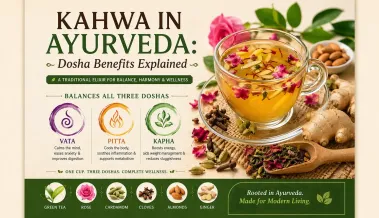
Cinnamon Green Tea 80g loose-leaf green tea infused with warming Ceylon cinnamon bark. Kashmiri Kahwa Tea Spiced blend with rose petals, cardamom, cloves, ginger & almonds. Pure Copper Bottle Ayurvedic hydration vessel to encourage mindful daily water intake. Blood Sugar Wellness Curated wellness teas and lifestyle tools for diabetic self-care.
The Bottom Line
The most effective natural approach to blood sugar management is not searching for a single miracle food. Instead, build your everyday meals around non-starchy vegetables, lean proteins, high-fiber legumes, whole grains, and healthy fats.
The Sustainable Formula:
Balanced plate nutrition + daily movement + prescribed medication adherence + regular glucose tracking = long-term glycemic vitality.
Frequently Asked Questions
About This Article & Editorial Standards
Published By: Health Is Wealth Editorial Team · Last Updated: September 2026
Editorial Approach: We explore the relationship between food, nutrition, and blood glucose using peer-reviewed medical literature and health authority guidelines. Whole foods and botanicals are presented as supportive lifestyle components, not as substitutes for clinical diabetes care.
Scientific References & Clinical Sources
1. American Diabetes Association. (2024). Facilitating Positive Health Behaviors and Well-being to Improve Health Outcomes: Standards of Care in Diabetes—2024. Diabetes Care, 47(Suppl. 1), S77–S110. [Resource Link]
2. Allen, R. W., et al. (2013). Cinnamon Use in Type 2 Diabetes: An Updated Systematic Review and Meta-Analysis. Annals of Family Medicine, 11(5), 452–459. [DOI: 10.1370/afm.1517]
3. Shabil, M., et al. (2023). Effect of Fenugreek on Hyperglycemia: A Systematic Review and Meta-Analysis. Medicina, 59(2), 248. [PubMed]
4. Anitha, S., et al. (2021). A Systematic Review and Meta-Analysis of the Potential of Millets for Managing and Reducing the Risk of Developing Diabetes Mellitus. Frontiers in Nutrition, 8, 656478. [PubMed]
5. Ooi, C. P., et al. (2012). Momordica charantia for Type 2 Diabetes Mellitus. Cochrane Database of Systematic Reviews, (8), CD007845. [PubMed]
6. Mkhize, S. A. L., Phoswa, W. N., Ngubane, P. S., & Mokgalaboni, K. (2025). Efficacy of Momordica charantia in Glycaemic Control and Insulin Resistance Among Patients with Prediabetes and Type 2 Diabetes: A GRADE-Adherent Meta-Analysis of Randomised Controlled Trials. Metabolism Open, 28, 100407. [PubMed]
7. Shishehbor, F., Mansoori, A., & Shirani, F. (2017). Vinegar Consumption Can Attenuate Postprandial Glucose and Insulin Responses: A Systematic Review and Meta-Analysis of Clinical Trials. Diabetes Research and Clinical Practice, 127, 1–9. [PubMed]
Medical Disclaimer: This article is for general educational and informational purposes only. It is not intended to diagnose, treat, cure, or prevent diabetes or any other medical condition. Individual blood glucose responses vary considerably. If you have diabetes, prediabetes, are pregnant, take insulin or oral glucose-lowering medication, consult your physician, endocrinologist, or registered dietitian before making significant dietary changes. Do not stop, reduce, or replace prescribed diabetes medication based on information in this article.
Tags:blood sugardiabeteslower blood sugarnatural remediesdiabetic diethealthy eatinginsulin sensitivitylow glycemic foodsdiabetes managementnutritionsuperfoodsglucose controldiabetic-friendly foodsbalanced diethealthy lifestyle







Write a comment