
Food & Nutrition (2) Managing Diabetes (7)
- Diet & Nutrition (5)
- Lifestyle & Fitness (2)
Healthy Beverages (8) Stress Management & Self-Care (2) 994 0 comments

Latest



Natural Cork Coaster - 25pcs
₹999.00







Round Borosilicate Glass Teapot with SS Infuser - 550ml
₹1,399.00 ₹1,599.00
Managing Diabetes & Fitness
How Exercise Affects Blood Sugar: A Complete Guide for Diabetics
Managing blood sugar is one of the most persistent challenges faced by people living with diabetes, and physical activity remains one of the most effective — and most underused — tools for meeting that challenge. A clear understanding of how exercise influences glucose levels allows diabetics to train with confidence, minimize the risk of dangerous highs and lows, and build long-term metabolic resilience.
This guide examines the physiology behind exercise-driven glucose regulation and offers practical, evidence-based strategies for training safely with diabetes.
Key Takeaways: Exercise & Glycemic Control
- Dual Pathway: Muscle contractions trigger GLUT4 transporters to pull glucose from the blood independently of insulin.
- Workout Modalities: Steady aerobic exercise lowers blood sugar continuously, while high-intensity workouts (HIIT) may trigger temporary hormonal spikes.
- Safe Blood Sugar Window: Aim for pre-workout blood glucose readings between 100 and 250 mg/dL before beginning.
- Delayed Drop: Muscles continue drawing glucose to restore glycogen for up to 24 hours post-workout, requiring ongoing monitoring.
The Science Behind Exercise and Blood Sugar Regulation
Physical activity affects blood glucose through two complementary physiological mechanisms:
1. Insulin-Independent Glucose Uptake
When skeletal muscles contract during movement, they draw glucose directly from the bloodstream by activating GLUT4 glucose transporter proteins. This process occurs independently of insulin signaling, which explains why physical exercise lowers blood glucose effectively even in individuals with severe insulin resistance.
2. Improved Insulin Sensitivity
Over time, consistent physical activity trains cell receptors to respond more efficiently to circulating insulin. Cells can absorb glucose with lower hormonal output, directly combating the root cause of type 2 diabetes. While exercise enhances sensitivity, dietary habits play an equal role — explore our guide on the truth about carbs and diabetes to balance nutritional fueling with your workouts.
Types of Exercise and Their Distinct Effects on Blood Sugar
Not all forms of exercise affect blood glucose in the same way. Understanding these distinct pathways allows you to tailor your workout plan safely.
| Exercise Modality | Examples | Immediate Glucose Impact | Primary Metabolic Benefit |
|---|---|---|---|
| Aerobic Exercise | Brisk walking, cycling, swimming, jogging | Steady, immediate drop during & after exercise | Enhances daily cellular insulin sensitivity |
| Resistance Training | Free weights, resistance bands, bodyweight | Stable or gradual moderate decline | Expands total muscle glucose storage capacity |
| High-Intensity (HIIT) | Sprint intervals, circuit training | Possible temporary spike from adrenaline/cortisol | Rapid mitochondrial adaptation and endurance |
Aerobic Exercise
Sustained activities such as walking, cycling, swimming, and jogging primarily burn a combination of glucose and fat. Aerobic exercise typically lowers blood glucose both during the session and for several hours afterward, driven by active muscle uptake.
Resistance Training
Strength training — using free weights, resistance bands, or bodyweight exercises — improves glycemic control by building lean muscle tissue. Muscle mass serves as the primary reservoir for glucose disposal. Combining resistance training with aerobic exercise consistently delivers superior long-term glycemic outcomes compared to either modality alone.
High-Intensity Interval Training (HIIT)
HIIT alternates short bursts of maximal effort with brief recovery periods. While it accelerates glucose clearance and improves insulin sensitivity over the long term, the high physical intensity also triggers the release of stress hormones (such as adrenaline and cortisol). In some individuals, this causes a transient blood sugar spike that normalizes after cooling down.
How Exercise Can Cause Blood Sugar Fluctuations
Physical activity can move blood glucose in either direction depending on workout intensity, duration, timing, and current medication:
- Hypoglycemia Risk: Low blood sugar is common during prolonged aerobic workouts when muscle glucose consumption outpaces liver output. Early signs include shakiness, sweating, dizziness, confusion, and weakness. This risk is highest for those taking insulin or insulin-secretagogues.
- Hyperglycemia Risk: Heavy anaerobic workouts prompt the liver to release stored glycogen faster than muscles can absorb it, causing a short-term glucose elevation.
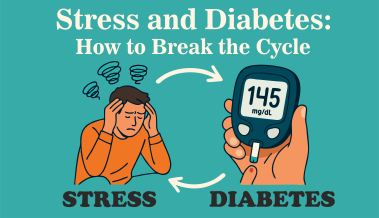
It is worth noting that physical exertion is not the only trigger for blood sugar swings — chronic mental tension also plays a significant role. Learn more in our detailed analysis of how stress and diabetes create a metabolic loop.
Practical Strategies for Managing Blood Sugar During Exercise
1. Monitor Blood Glucose Before, During, and After Exercise
- Before exercise: Confirm your glucose is within the safe 100–250 mg/dL range before starting.
- During exercise: Check levels during long or strenuous sessions to catch falling trends early.
- After exercise: Keep monitoring, as muscles continue drawing glucose to rebuild glycogen stores for up to 24 hours.
2. Coordinate Medication and Insulin Timing
Exercise heightens insulin sensitivity, which can amplify the effect of prescribed insulin or oral medications. Work closely with your endocrinologist or certified diabetes educator to safely adjust medication timing around workouts.
3. Fuel Appropriately Around Workouts
Consuming a 15–20g fast-acting carbohydrate snack prior to exercise prevents hypoglycemia in individuals prone to low readings. When looking for a natural pre-workout fuel, learn more about using pure sweeteners responsibly in our guide on raw honey for diabetic patients.
4. Prioritize Proper Hydration
Hydration supports healthy blood volume and kidney glucose clearance. Many find that keeping water accessible in a dedicated copper water bottle encourages consistent fluid intake throughout the day.
5. Warm Up and Cool Down Deliberately
A structured 5–10 minute warm-up prepares cardiovascular output and prevents abrupt glucose fluctuations, while a deliberate cool-down assists your metabolic baseline in returning to resting levels smoothly.
6. Learn to Recognize Symptoms Quickly
Understanding the difference between hypoglycemia symptoms (sweating, rapid pulse, shakiness) and hyperglycemia symptoms (extreme thirst, nausea, headaches) ensures prompt, appropriate action during training.
7. Choose a Consistent Workout Schedule
Exercising at predictable times allows your body to adapt its hormonal responses. Gentle, restorative practices using supportive equipment like a cork yoga brick serve as a low-impact complement to higher-intensity training days.
Featured Wellness Collection
Discover complementary teas, Ayurvedic botanicals, and lifestyle tools designed to support healthy glycemic balance in our dedicated Blood Sugar Wellness range.
Long-Term Benefits of Regular Exercise for Diabetics
- Cardiovascular Protection: Strengthens heart muscle and helps regulate lipid profiles and arterial blood pressure.
- Sustainable Weight Management: Supports metabolic rate and helps preserve fat-free muscle mass.
- Stress Reduction & Mood Stability: Stimulates mood-elevating endorphins. Incorporating adaptogenic botanicals like Ashwagandha tea can further support restorative recovery.
- Enhanced Sleep Quality: Deep, restful sleep optimizes morning fasting glucose levels and insulin sensitivity.
Safety Considerations and When to Consult a Doctor
- Diabetic Foot Care: Neuropathy can diminish sensation; always wear supportive footwear and inspect your feet post-exercise.
- Retinopathy Precautions: Individuals with proliferative diabetic retinopathy should avoid heavy straining or high-impact jarring.
- Cardiovascular Clearance: Obtain clinical approval before starting strenuous exercise routines, particularly if managing pre-existing heart conditions.
Ashwagandha Cut Tea Pure adaptogenic brew for evening muscle recovery and calm. SS Handle Tea Infuser Durable stainless steel infuser for whole loose leaf wellness teas. Loose Green Tea Leaf Antioxidant-rich loose leaf tea to support daily metabolic rate. Blood Sugar Wellness Curated essentials to complement a diabetes-friendly lifestyle.
Conclusion
Physical activity remains one of the most transformative tools for diabetes management. By understanding how different workout types influence glucose dynamics and applying practical safeguards — including regular monitoring, proper hydration, and smart fueling — diabetics can train safely and build long-term metabolic health.
Frequently Asked Questions
Q1: Can exercise cause my blood sugar to drop too low?
Yes. Aerobic exercise can cause glucose to drop when muscle glucose uptake outpaces liver glycogen release, particularly in individuals using insulin or insulin-secretagogue medications.
Q2: What are the early warning signs of exercise hypoglycemia?
Common symptoms include shakiness, dizziness, sudden sweating, confusion, rapid heart rate, and acute muscle weakness.
Q3: Should I eat before exercising if I am prone to lows?
Yes. A small snack containing 15–20 grams of carbohydrates before physical activity helps stabilize glucose levels throughout the session.
Q4: How long after exercise can hypoglycemia occur?
Blood sugar can drop up to 12 to 24 hours after an intense workout as working muscles continue to draw glucose from the blood to restore glycogen stores.
Q5: Is it safe to exercise if my blood sugar is already low?
No. Avoid exercising if pre-workout blood sugar is below 100 mg/dL. Consume a fast-acting carb and re-test until glucose returns to a safe range.
Q6: Can intense workouts cause my blood sugar to spike?
Yes. Strenuous anaerobic exercise and HIIT stimulate adrenaline and cortisol release, triggering temporary hepatic glucose release.
Q7: Is it safe to exercise if my blood sugar is very high?
If blood sugar exceeds 250 mg/dL, check for urinary or blood ketones. Exercise should be postponed if ketones are present to prevent ketoacidosis.
Q8: Do temporary post-exercise spikes require insulin corrections?
In most cases, exercise-induced spikes resolve naturally within 1 to 2 hours. Consult your healthcare team before administering corrective insulin to avoid rapid rebound hypoglycemia.
Q9: Which types of exercise are least likely to cause glucose spikes?
Moderate, continuous aerobic activities such as brisk walking, leisure swimming, and easy cycling produce steady, predictable glucose reductions.
Q10: How can I minimize blood sugar spikes during HIIT sessions?
Incorporate a 10-minute low-intensity cool-down, stay thoroughly hydrated, and gradually progress interval intensity over several weeks.
Tags:exercise and blood sugardiabetes and exercisemanaging diabetesblood sugar controlinsulin sensitivitydiabetes workout tipsexercise hypoglycemiahyperglycemia after workoutdiabetes fitnessGLUT4 glucose uptaketype 2 diabetes exerciseblood sugar wellnesssafe exercise with diabetesdiabetes routinediabetic health tips

Related Article





Related Products



Sale
New



New



New



New



Write a comment